If you’ve ever typed “spicy food near me” into your phone and then stared at the menu in mild panic — wondering whether “medium” means pleasantly warm or tears-streaming-down-your-face hot — you are absolutely not alone. In 2026, Indian and Hakka cuisine have never been more popular across the Greater Toronto Area, and yet so many diners still hold back, afraid of ordering something that’ll overwhelm their palate and ruin an otherwise lovely evening. At 7 Spice Bistro, we’ve spent seven years watching first-timers become regulars — and the turning point is almost always the same: they learned how to work with the heat, not fight against it. This guide is here to help you do exactly that.
⚡ QUICK ANSWER
To enjoy maximum spice without overwhelming your palate: start at a lower heat level and build gradually, pair hot dishes with cooling sides like raita or plain rice, drink full-fat dairy (not water) to neutralize capsaicin, and always ask your server to guide you through the menu. Spice is a skill — and with the right approach, anyone can master it.
Why Does Spicy Food Burn — and What’s Actually Happening in Your Mouth?
The burn you feel from spicy food isn’t damage — it’s a trick your brain plays on itself. The active compound in chili peppers, capsaicin, binds to a receptor in your mouth called TRPV1, which is the same receptor your body uses to detect actual heat above 43°C. Your brain receives a signal that says “fire,” even though there’s no real temperature change happening. That’s why your eyes water, your forehead sweats, and your lips tingle — it’s your nervous system responding to a perceived threat that isn’t actually there.
Understanding this changes everything about how you approach a spicy dish. You’re not in danger. You’re not being burned. You’re experiencing a sensation that your body can absolutely be trained to enjoy — and even crave. This is why people who eat chili regularly develop a genuine tolerance: their TRPV1 receptors become temporarily desensitized with repeated exposure. The more often you engage with spice in a thoughtful, managed way, the wider your comfort window becomes.
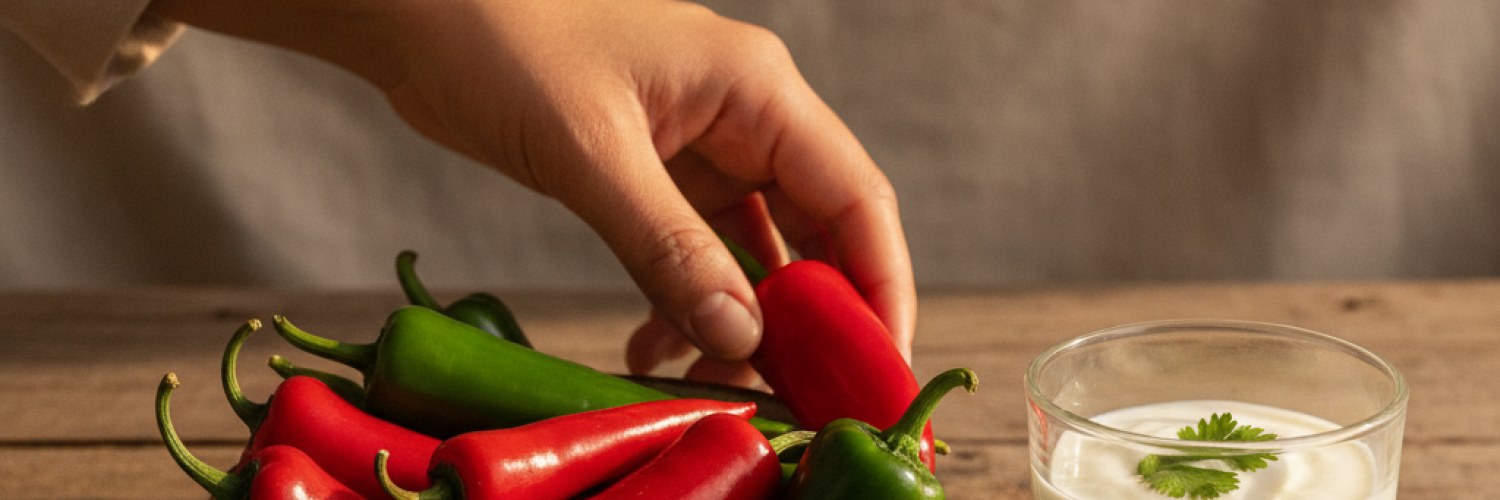
At 7 Spice Bistro in Mississauga, our chefs work with a full spectrum of chilies — from the gentle warmth of Kashmiri red chili, which gives dishes their gorgeous deep colour with very little heat, to the more assertive punch of green chilies in our Hakka dishes. Knowing what’s in your food is the first step toward enjoying it fearlessly.
How Do You Build a Genuine Spice Tolerance Over Time?
Building spice tolerance is a gradual process — you can’t rush it, but you absolutely can accelerate it with the right habits. The key principle is progressive exposure: consistently eating spicy food at slightly higher heat levels than your current comfort zone, without ever pushing so far that the experience becomes unpleasant.
Here’s what that looks like in practice at a restaurant like ours:
Start With Flavour-Forward, Mildly Spiced Dishes
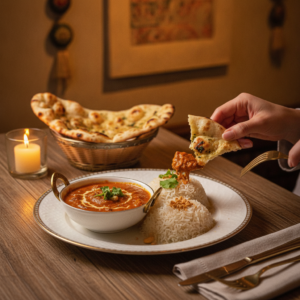
When you’re new to authentic Indian cuisine, begin with dishes that lead with aromatics rather than raw heat. Butter chicken, for instance, is a rich, creamy tomato-based dish where the spices — cardamom, cinnamon, cloves — are warming rather than fiery. Dal makhani is another gorgeous entry point: slow-cooked lentils with a buttery depth that comforts rather than challenges. These dishes are built on layered spice blends, not just chili heat, and they help you appreciate the complexity of Indian cooking before you dial up the intensity.
Move Gradually Toward Medium, Then Higher Heat
Once you’re comfortable with mild dishes, start requesting “medium” spice on dishes you already love. Most Indian restaurants — including 7 Spice Bistro — are genuinely happy to adjust heat levels to your preference. Don’t be shy about this conversation. Ask your server what “medium” means for a specific dish; the answer varies significantly. A medium vindaloo is a very different experience from a medium korma. Context matters enormously, and a knowledgeable server will always steer you right.
Eat Spicy Food Regularly, Not Just Occasionally
Tolerance builds through consistency. A person who eats mildly spiced food twice a week will develop more resilience than someone who challenges themselves once every two months. If you’re seriously committed to expanding your palate, make Indian or Hakka food a regular part of your dining rotation. Families in Mississauga who dine with us week after week often tell us — with genuine pride — that dishes that once made them reach for water now taste perfectly balanced. That progression is real, and it’s deeply satisfying.
“Spice tolerance isn’t a personality trait you’re born with — it’s a skill you build one delicious meal at a time. At 7 Spice Bistro, we think of our menu as a journey, and every dish is a step further along the path.”
What Should You Eat and Drink to Cool Down Spice the Right Way?
The most important thing to know about cooling spicy food is this: water makes it worse, not better. Capsaicin is an oil-based compound, and water simply spreads it around your mouth rather than neutralizing it — which is why chugging water mid-bite often intensifies the burn before it fades.
What actually works? Fat-based dairy. Milk, yogurt, and cream contain a protein called casein that breaks down the bond between capsaicin and your TRPV1 receptors, physically removing the compound from your tongue. This is precisely why Indian cuisine has such a brilliant built-in cooling system — raita (yogurt with cucumber and mint), lassi (a yogurt-based drink), and the cream in rich gravies all work synergistically to balance the heat within a meal.
The Best Cooling Companions for Spicy Indian and Hakka Dishes
Plain basmati rice: Not just a side dish — a genuine heat management tool. Rice dilutes the concentration of spice per bite and gives your palate a reset between mouthfuls of a fiery curry. The best Indian food near me searches often lead people to discover that the sides matter just as much as the main.
Naan or roti: Bread absorbs residual spice and gives you something neutral to work with between bites of a rich, spiced dish. A torn piece of garlic naan pressed into a creamy dal is genuinely one of the most soothing combinations in all of Indian cooking.
Raita: Cold, creamy, herby raita is the unsung hero of the Indian table. A spoonful between bites of a hot dish gives your palate a literal cool-down and makes the overall meal far more manageable — and more enjoyable — at higher spice levels.
Mango lassi: Sweet, cold, and loaded with yogurt, a lassi does double duty — it provides the fat-based capsaicin neutralization of dairy and the sweetness that further counterbalances heat. If you’re dining with us in Mississauga and heat is your concern, ordering a lassi is always a wise move.
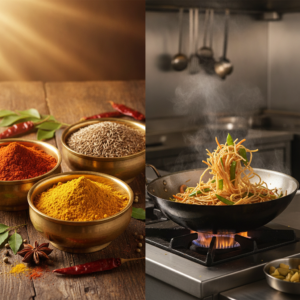
For those exploring our Hakka food near me options, note that Hakka cuisine tends to use a different heat profile — the chili sauces and vinegar-based preparations of Indo-Chinese cooking create a sharper, more immediate heat compared to the slow-building warmth of traditional Indian spice blends. Pairing Hakka dishes with fried rice or noodles works similarly to pairing Indian curries with plain rice: the starch absorbs and dilutes, making the whole experience more balanced.
For a deeper dive into how our seafood dishes are crafted to balance bold spice with coastal flavours, check out our piece on Seafood at an Indian Restaurant? Here’s Why It Works So Well — the way fish and shellfish interact with Indian spicing is genuinely fascinating.
How to Read a Spicy Menu and Order Like a Seasoned Diner
Navigating a spicy menu with confidence is a skill — and once you have it, dining out becomes dramatically more enjoyable. Most Indian restaurant menus signal heat through a combination of dish names, chili icons, and regional context clues that are worth learning to read.
Learn the Regional Heat Signals
In authentic Indian cuisine, the region a dish comes from is a reliable predictor of its heat level. South Indian cooking — think rasam, sambar, and chettinad-style preparations — tends to be genuinely fiery, with fresh green chilies and black pepper doing a lot of the work. North Indian cooking leans more toward warming spices (cardamom, cumin, coriander) with heat added as one element among many, rather than the defining characteristic. Goan dishes, particularly those with vinegar and chili in a xacuti or vindaloo, land somewhere punchy and acidic. Knowing even this basic regional map will help you set realistic expectations before you order.
Ask for the Dish, Then Ask for Your Heat Level
One of the smartest habits you can develop at a restaurant is separating the dish choice from the heat level decision. Fall in love with the flavour profile of a dish — its sauce, its proteins, its texture — and then ask for it at a spice level that suits you. Our team at 7 Spice Bistro in Mississauga is always happy to prepare dishes at mild, medium, or full heat, and we’ll always be honest with you about what “full heat” actually means for a given preparation. This is the kind of personalized service that transforms a single visit into a long-term relationship with a cuisine.
Order a Range of Heat Levels Across Your Table
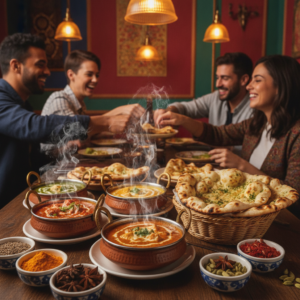
When dining as a group — whether it’s a family dinner, a date night, or a work celebration — consider ordering dishes at a range of heat levels. A mild, creamy korma shared alongside a more assertive lamb rogan josh creates a natural balance at the table: those who want more heat have access to it, and those who don’t can stick to the gentler dishes without missing out. This shared, communal style of eating is absolutely central to Indian dining culture, and it’s one of the reasons family gatherings at our Mississauga location are so lively and satisfying. For more tips on making the most of group dining, our guide on All-You-Can-Eat vs. À La Carte Indian Food: Which Dining Style Wins? is a great next read.
Where Can You Experience Authentic Spice the Right Way in Mississauga?
Finding the best Indian food near me is one thing — finding a place that actually takes the time to guide you through it is something else entirely. Great spicy food is never just about raw heat; it’s about the harmony of aromatics, the layering of flavour, and the context in which the spice sits. A beautifully crafted lamb keema should make you sweat just enough to notice, while still allowing the complexity of the masala to come through clearly. That balance is what separates a skilled kitchen from a heavy-handed one.
At 7 Spice Bistro — Mississauga’s destination for both authentic Indian cuisine and Indo-Chinese Hakka cooking — we’ve built our menu around exactly this philosophy. Every dish starts with fresh, locally sourced ingredients combined with age-old recipes that our team has refined over seven years of service. We don’t spike heat as a gimmick. We use chili the way a composer uses a cymbal — to accent and punctuate, not to overwhelm.
Whether you’re searching for indian food near me on a weeknight, planning a weekend family dinner, or scoping out the best indian food near me for a special celebration, our team is here to make the experience genuinely memorable. Our cozy, welcoming dining room in the Meadowvale area of Mississauga is designed for exactly this kind of meal — one where you linger, explore, and leave having discovered something new about a cuisine you thought you already knew.
And for those planning an event — a birthday dinner, a wedding reception, a corporate gathering — our full-service catering team brings the same philosophy to your venue. If you’re exploring options, our detailed guide on Catering Services in Mississauga: How to Choose the Right Caterer for Your Event walks you through exactly what to look for — and why personalized service makes all the difference when you’re feeding a crowd.
The spice journey is one of the most rewarding things about discovering Indian and Hakka cuisine — and it’s one that never really ends. There’s always a new dish to try, a new regional flavour to explore, a new heat level to test your growing resilience. Come hungry, come curious, and let our team take care of the rest.
Ready to Explore the Full Flavour Spectrum?
Whether you’re a spice rookie or a seasoned heat-seeker, our team at 7 Spice Bistro in Mississauga is ready to guide you through a menu built on seven years of passion, fresh ingredients, and age-old recipes. Come dine with us — or let us bring the feast to you with our full-service catering.
✍️ Written by the Team at 7 Spice Bistro
We are the kitchen, the hosts, and the storytellers behind Mississauga’s beloved Indian and Hakka dining destination. With over seven years of experience crafting authentic, flavour-forward cuisine, we write from the heart of our kitchen — because nobody knows this food better than the people who cook it every day.
Frequently Asked Questions
How do I build a spice tolerance if I’m completely new to Indian food?
Start with mild, flavour-forward dishes like butter chicken or dal makhani and eat them regularly — consistency is what actually builds tolerance, not occasional extreme challenges. Gradually request slightly more heat each time you order a dish you already enjoy, and always pair your meals with cooling sides like raita or plain rice. Over a few months of regular Indian dining, you’ll notice your comfort window expanding in a way that feels natural and genuinely exciting.
What is the best drink to have when eating spicy food?
Full-fat dairy drinks — like a cold mango lassi or a glass of milk — are the most effective beverages for managing spicy food because the protein casein breaks down the capsaicin bond on your tongue. Water, despite being the instinctive reach, actually spreads capsaicin further around your mouth and intensifies the burn before it fades. A mango lassi at an Indian restaurant does the best of both worlds: it’s delicious, cold, and genuinely functional as a heat-relief tool.
Why does Hakka food feel different from Indian food even when both are spicy?
Hakka cuisine is an Indo-Chinese fusion that uses chili sauces, soy, vinegar, and fresh green chilies in a way that creates a sharper, brighter, more immediate heat compared to the slow-building warmth of traditional Indian spice blends. Indian cooking layers its heat through dry spices, whole chilies, and long cooking times; Hakka cooking tends to apply heat more directly through sauces and finishing techniques. Both are spectacular — they’re just using spice as a different kind of instrument.
Can I ask for a custom spice level at 7 Spice Bistro?
Absolutely — and we genuinely encourage it. Our team at 7 Spice Bistro in Mississauga prepares dishes across a range of heat levels, from mild to full traditional spice, and your server will always be honest with you about what to expect from any specific dish. Whether you’re a first-timer cautiously exploring authentic Indian cuisine or a regular who knows exactly what they want, we customize every plate to make sure your experience is as enjoyable as possible.