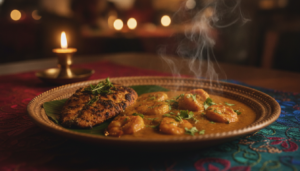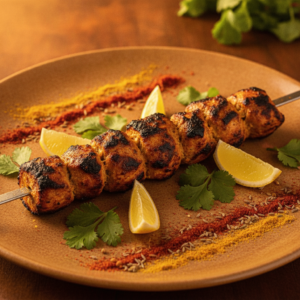
When you search for healthy food near me and Indian restaurants show up in the results, your first instinct might be to scroll past. Butter-heavy sauces and deep-fried starters have given Indian food a reputation that, honestly, it doesn’t deserve. The truth is, traditional Indian cooking is built on a foundation of whole legumes, fresh vegetables, anti-inflammatory spices, and lean proteins — ingredients that nutritionists actively recommend. At 7 Spice Bistro in Mississauga, we have been preparing these dishes the right way for years, using fresh, locally-sourced ingredients and age-old recipes that honour the nutritional integrity of Indian cuisine. If you have been putting off Indian food in the name of eating well, this article is for you.
Quick Answer
Indian cuisine is genuinely one of the most nutritious dining options available. Dishes built around lentils, legumes, grilled proteins, and spiced vegetables deliver high fibre, plant-based protein, and powerful antioxidants in a single meal. At 7 Spice Bistro in Mississauga, our menu is designed so that eating well and eating satisfyingly are the same thing.
Why Does Indian Food Have Such a Complicated Health Reputation?
Indian food’s health reputation is complicated because restaurant menus in North America often emphasise the richest, most indulgent dishes — the ones that photograph beautifully and travel well as comfort food. What gets overlooked is the broader tradition, which is overwhelmingly vegetable-forward, legume-heavy, and spice-rich.
Walk through any home kitchen in India and you will find dal simmering on the stove, fresh greens being sauteed with cumin and mustard seeds, and fish being marinated in turmeric and chili before it hits a pan with almost no added fat. These are everyday meals. The restaurant experience in North America sometimes drifts toward richer preparations because that is what became popular here, but the nutritional core of Indian cooking was never lost — it was just undersold.
At 7 Spice Bistro, we have always believed in preparing dishes the way they were intended: with spices doing the heavy lifting, fresh ingredients providing the depth of flavour, and restraint applied where it counts. That is not a marketing position — it is simply how good Indian food is made.
Traditional Indian cooking is one of the most naturally nutrient-dense culinary traditions in the world. The spices alone — turmeric, cumin, coriander, fenugreek — have been studied extensively for their anti-inflammatory and antioxidant properties.
What Makes Indian Dishes Genuinely Nutritious?
The nutritional strength of Indian cuisine comes from its core ingredients, not any single preparation technique. Lentils, chickpeas, fresh vegetables, seafood, and spices form the backbone of a cuisine that has sustained large populations for centuries — not by accident, but because these foods genuinely deliver.
Lentils and Legumes: The Quiet Protein Powerhouse
Dal, in all its forms, is one of the most complete plant-based meals you can eat. Cooked lentils are dense in protein, fibre, iron, and folate. A single serving of dal provides sustained energy without the blood sugar spike that follows a carbohydrate-heavy meal. For anyone searching for a vegetarian restaurant near me that actually understands plant-based nutrition, Indian cuisine is the answer — not by trend, but by tradition.
Chickpea-based dishes like chana masala offer a similar nutritional profile: high in protein, rich in soluble fibre, and naturally low in fat. The spice blends used in these dishes — often featuring cumin, coriander, and garam masala — add flavour without calories.
Spices That Do More Than Flavour
Turmeric contains curcumin, a compound that has been extensively studied for its anti-inflammatory properties. Ginger supports digestion. Fenugreek has long been associated with blood sugar regulation in Ayurvedic medicine. Cumin aids in iron absorption. These are not health claims invented for a marketing brochure — they are the reason Indian cooking has incorporated these spices for thousands of years.
At 7 Spice Bistro, we use whole and freshly ground spices wherever possible, because the nutritional value of a spice is best preserved when it is fresh. That attention to ingredient quality is what separates genuinely good Indian food from the shortcuts that give the cuisine an unfair reputation.
Vegetable-Forward Curries and Their Nutritional Range
Indian vegetable curries regularly feature spinach, cauliflower, peas, tomatoes, and eggplant. These are not side dishes — in traditional Indian cooking, vegetables are the centrepiece. Saag (spinach-based dishes) delivers iron and vitamins A, C, and K. Cauliflower curries like aloo gobi provide vitamin C and fibre. Tomato-based gravies offer lycopene. A well-ordered Indian meal covers more nutritional ground than most people realise.
How Does Seafood Fit Into a Healthy Indian Menu?
Seafood prepared with Indian spices is one of the healthiest options on any restaurant menu. Coastal Indian cooking has always relied on fish and shellfish as a primary protein source, cooked with fresh herbs, tamarind, coconut, and aromatic spice blends that complement rather than overwhelm the natural flavour of the seafood.
Fish provides lean protein and omega-3 fatty acids, both of which support heart health and cognitive function. Prepared with Indian spices rather than heavy cream sauces, seafood dishes stay light while delivering exceptional depth of flavour. At 7 Spice Bistro, our seafood dishes are prepared with the same care as every other item on our menu — fresh ingredients, honest preparation, and spice profiles that make each bite genuinely satisfying.
For anyone looking for healthy food close to me that includes quality seafood options, an Indian restaurant with a seafood menu is a genuinely strong choice. The spice-forward cooking style adds antioxidant value to an already nutrient-dense protein source.
Is Biryani Actually a Healthy Choice When Eating Out?
Biryani is a balanced, protein-and-carbohydrate meal that gets unfairly dismissed as indulgent. When prepared well — with quality basmati rice, properly marinated protein, and whole spices layered throughout — biryani is a nutritionally complete dish that holds up against almost anything on a Western restaurant menu.
Basmati rice has a lower glycaemic index than most white rice varieties, meaning it releases energy more gradually and keeps you fuller for longer. The protein in a well-made biryani (chicken, lamb, or seafood) is typically marinated in yogurt and spices, which both tenderises the meat and adds probiotic value before cooking. The whole spices used in layering — cloves, cardamom, bay leaves, cinnamon — carry their own nutritional benefits.
When someone searches for biryani near me and finds 7 Spice Bistro, they are not settling for comfort food over healthy food. They are finding a dish that happens to be both. That combination is rarer than it should be, and it is one of the things that makes Indian cuisine genuinely worth seeking out.
If you want to understand more about how Indian and Hakka traditions come together in a single menu, our article on How Hakka Indian Cuisine Became One of the GTA’s Most Searched Food Trends explains the cultural and culinary roots of this popular fusion.
How to Order Smart at an Indian Restaurant
Ordering well at an Indian restaurant is straightforward once you understand what to look for. The menu naturally divides into lighter and richer preparations, and knowing which side of that line a dish falls on makes choosing a balanced meal simple.
For anyone searching for the best food near me that fits a health-conscious lifestyle, the following guide breaks down how common Indian menu categories compare across key nutritional attributes:
| Dish Category | Primary Protein Source | Fibre Content | Best For |
|---|---|---|---|
| Dal (Lentil Dishes) | Plant-based (lentils) | High | Vegetarians, high-fibre diets |
| Seafood Curries | Fish or shellfish | Moderate (from vegetables) | Lean protein, omega-3 intake |
| Vegetable Curries | Plant-based (peas, paneer) | High | Broad micronutrient coverage |
| Biryani | Chicken, lamb, or seafood | Moderate (basmati rice) | Balanced, satisfying full meal |
| Hakka Dishes | Chicken, seafood, tofu | Moderate (from vegetables) | Bold flavour, lighter preparation |
Practical Tips for a Balanced Indian Meal
Start with a lentil-based soup or a vegetable starter rather than deep-fried snacks. Choose grilled or tandoor-prepared proteins over those cooked in heavy cream sauces, particularly if you are watching fat intake. Pair your main dish with whole grain bread (roti or chapati) rather than naan if you want a lighter accompaniment. Add a side of raita (yogurt with cucumber) for probiotics and a cooling contrast to spiced dishes. These are small choices that add up to a genuinely nutritious dining experience.
Dining out does not have to mean abandoning your nutritional goals. For families in Mississauga looking for an indian food near me option that serves food everyone can feel good about eating, the depth of an Indian menu makes it one of the most flexible options available — far more so than most people realise before they try it.
For those planning a larger gathering or celebration where these same nutritious options need to be served at scale, our guide on How to Plan the Perfect Family Celebration Dinner: A Practical Catering Guide walks through everything you need to know about organising a full-service Indian catering experience.
Why 7 Spice Bistro Is the Answer When You Search for Indian Food Near Me in the GTA
Finding an indian restaurant near me that consistently delivers on both quality and authenticity in the Greater Toronto Area is not as easy as it sounds. There are a lot of options, and not all of them approach the food with the same care for ingredients and technique. At 7 Spice Bistro in Mississauga, we have built our reputation over the years on a simple principle: use fresh, locally-sourced ingredients, follow age-old recipes, and never cut corners where the food is concerned.
Our menu spans both Indian and Hakka cuisines, which gives diners a genuinely broad range of nutritious options in a single visit. Whether you are coming in for a weeknight dinner as a family, a date night as a couple, or a larger celebration with colleagues and friends, our dining room is designed to feel welcoming rather than formal. We have free WiFi, a comfortable atmosphere, and a team that genuinely enjoys talking about the food we serve.
We also offer full-service catering, including packages for weddings and special events, so the same quality you experience in our dining room can come to your venue. For GTA residents in Mississauga, Oakville, Brampton, and surrounding areas searching for the best indian restaurant near me, we invite you to come in, eat well, and decide for yourself.
You can also read about more great options across the city in our roundup of Food Spots in Mississauga Worth Bookmarking for Every Occasion.
Ready to Eat Well Without Compromising on Flavour?
Join us at 7 Spice Bistro in Mississauga for a meal that is as nourishing as it is satisfying. Dine in with family, bring a group, or ask us about our catering packages for your next event. We would love to show you what genuinely good Indian food tastes like.
About the Author
The 7 Spice Bistro Team — Our team has spent years perfecting the art of Indian and Hakka cuisine in the heart of Mississauga, bringing together age-old recipes, fresh local ingredients, and a genuine passion for hospitality. We write about food the way we cook it: honestly, carefully, and always with our guests in mind.
Frequently Asked Questions
How can I eat healthy at an Indian restaurant?
Focus on lentil-based dishes, vegetable curries, and tandoor-prepared proteins, which are cooked with dry heat and minimal added fat. Pair your main with roti rather than naan for a lighter bread option, and add a side of raita for a probiotic boost. Indian menus are naturally rich in plant-based, high-fibre options that suit a health-conscious approach to dining out.
What Indian dishes are highest in protein?
Dal (lentil dishes), chana masala (chickpea curry), seafood curries, and biryani with chicken or lamb are among the highest-protein options on a traditional Indian menu. Lentils and legumes are particularly notable because they deliver both protein and fibre in a single dish, making them exceptionally filling and nutritionally balanced.
Why is Indian cuisine considered one of the healthiest in the world?
Indian cuisine relies heavily on whole legumes, fresh vegetables, and spices that carry measurable nutritional benefits. Turmeric, cumin, ginger, and fenugreek are all well-documented for their anti-inflammatory and digestive properties. The traditional diet is also largely vegetable-forward by default, which aligns closely with modern dietary guidance around plant-based eating.
Can I find good vegetarian options at 7 Spice Bistro in Mississauga?
Absolutely. Indian cuisine is one of the richest culinary traditions for vegetarian dining, and our menu at 7 Spice Bistro reflects that fully. From lentil-based dals and chickpea curries to vegetable preparations spanning spinach, cauliflower, and peas, there is a genuinely wide range of satisfying, nutrient-dense vegetarian dishes available every time you dine with us.
Written by the 7 Spice Bistro Team
Our team brings deep expertise — Indian and hakka cuisines in Mississauga.