Why Most Hot and Sour Soups Disappoint — and What a Great Bowl Actually Tastes Like
Among all the indian restaurants in mississauga, very few take their hot and sour soup seriously enough. It is one of those dishes that sounds simple on paper — broth, vinegar, heat, a little cornstarch — but lands completely flat when it is made without intention. In 2026, diners are more informed than ever, and a watered-down, flavourless bowl simply will not cut it anymore. People have tasted the real thing. They know the difference.
At 7 Spice Bistro, we have spent seven years refining our Hakka-inspired hot and sour soup because we believe every bowl that leaves our kitchen should make someone stop mid-spoonful and take notice. This article is our honest breakdown of what separates a genuinely great hot and sour soup from the pale imitations that flood menus across the GTA — and what you should be looking for the next time you order one.
⚡ QUICK ANSWER
A great hot and sour soup balances sharp acidity, deep umami broth, layered heat, and a silky — not gluey — consistency. The biggest flaws in a poor bowl are weak stock, too much cornstarch, and heat that comes from chili powder alone rather than a thoughtful blend of aromatics and vinegar. At 7 Spice Bistro in Mississauga, our Hakka-style version builds flavour from scratch using fresh ingredients and traditional technique.
What Makes the Broth the Foundation of Everything?
The broth is the entire story. Every other element in a hot and sour soup — the vegetables, the egg ribbons, the vinegar — can only ever be as good as the base it sits in. A great hot and sour soup starts with a rich, well-seasoned stock that has depth, body, and a savoury backbone before a single drop of vinegar or a pinch of pepper is added.
The mistake most kitchens make is beginning with a diluted, commercial stock and trying to paper over the weakness with seasoning. You cannot. Thin stock produces a thin soup no matter what you add. Our kitchen builds stock the traditional way — slowly, with intention — so that by the time the soup reaches the bowl, it already has character.
This philosophy drives everything we do in our Hakka kitchen. Hakka cuisine, which traces its roots to the Hakka Chinese community that migrated through India and eventually to countries like Canada, is defined by bold, grounded cooking that prioritises honest ingredients over shortcuts. That history matters when you are making something as deceptively simple as a soup.
“The broth is not the background of a hot and sour soup — it is the main character. Everything else is just supporting cast.”
How Do You Get the Hot and Sour Balance Right?
The right balance between heat and acidity is achieved by layering both elements gradually and tasting continuously — it is never a fixed formula. This is the part that separates home cooks from experienced Hakka chefs, and it is where most restaurant versions fall apart.
The “hot” in hot and sour soup should not be a one-note punch. It needs to build — warming the back of your throat gently at first, then leaving a pleasant, lingering heat that makes you want another spoonful rather than reaching for water. That kind of heat comes from a combination of white pepper, finely worked aromatics, and in the Hakka tradition, green chillies that are prepared to release flavour without overwhelming the broth.
The “sour” is equally nuanced. Vinegar is the key instrument, but the type of vinegar and when it is added both matter enormously. Add it too early and the acidity cooks off, leaving a dull flatness. Add it at the right moment — towards the end of cooking — and it keeps its brightness, cutting through the richness of the broth like a clean, precise note at the end of a long chord.
When people search for the best restaurant near me that actually does Hakka food with this level of care, they often end up at our door. That is not an accident — it is seven years of refinement showing up in the bowl.
Why Does Texture Matter as Much as Taste in Hot and Sour Soup?
Texture is the element most people describe when they say a soup “feels wrong” — they just cannot always name what they are reacting to. A great hot and sour soup should be silky and gently thickened, coating the spoon lightly without feeling heavy or starchy on the palate.
Cornstarch is the thickening agent of choice in Hakka-style soups, and it is also the most commonly abused ingredient. Too little and the soup remains watery, with every component sinking to the bottom. Too much and you end up with something closer to a gel — thick, gluey, and genuinely unpleasant to eat. The correct amount creates that hallmark silkiness that makes a bowl of hot and sour soup deeply satisfying from the first spoonful to the last.
The egg ribbons are the other textural element that either elevates or ruins the bowl. Drizzled in at the right temperature while stirring continuously, eggs form those delicate, wispy strands that add softness and body. Dropped in too quickly or at the wrong temperature, they scramble into lumps that disrupt every bite.
Our team at 7 Spice Bistro trains every kitchen member on the exact technique for this step because we know how much it matters. It is the kind of detail that does not show up in a recipe card — it lives in muscle memory and repetition.
If you have been exploring mississauga food seriously over the past few years, you have probably noticed that texture is where the gap between average and excellent becomes most obvious. The same applies to any great dish — from a slow-braised curry to a perfectly grilled kebab. Speaking of which, if the idea of building a full Indian spread around a bowl of soup appeals to you, our guide on Biryanis, Curries, and Kebabs: How to Build the Perfect Indian Feast for a Group is worth a read.
What Ingredients Separate an Authentic Hakka Soup From a Generic Version?
Authentic Hakka hot and sour soup uses fresh vegetables, quality protein, and whole aromatics — not pre-mixed seasoning packets or frozen shortcuts. This is the single biggest dividing line between a genuine Hakka kitchen and a kitchen that simply lists the dish on the menu.
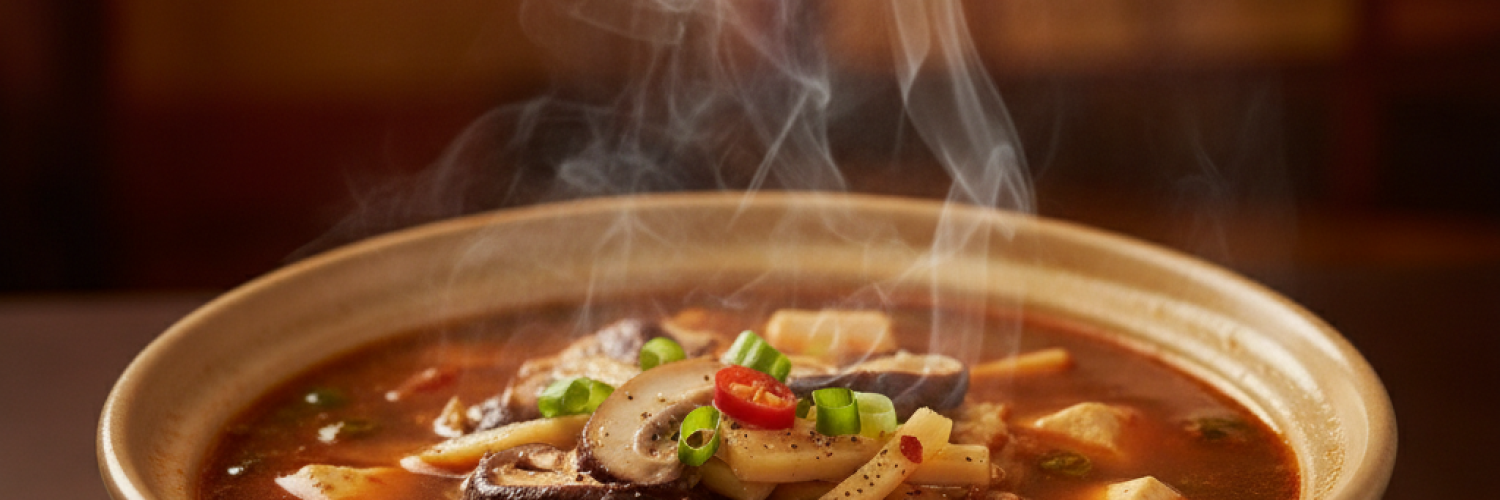
In a well-made Hakka version, you will typically find bamboo shoots, wood ear mushrooms, and tofu alongside a protein — often chicken or, in our kitchen’s popular variation, fresh seafood. The vegetables need to retain a gentle bite rather than going limp and flavourless, which means both the quality of the ingredient at the start and the precision of the cooking time matter.
Seafood in hot and sour soup is something we are especially proud of at our restaurant. We source fresh, locally available seafood that holds up beautifully to the bold broth without losing its own character. For those who have not yet tried a seafood version of this classic, it is a genuinely different experience — the brininess of good seafood adds a layer of complexity that makes the dish even more rewarding. We are not just another indian restaurant near me listing on your phone — our seafood dishes are a serious part of our menu and something we encourage every guest to try.
If seafood in South Asian-influenced cuisine is something you are curious about, our piece on Seafood Chowder Recipe: Everything to Know Before You Decide explores how these flavours work across different culinary traditions. And for a broader look at where to eat across the city, our Dining Out in Mississauga: A Neighbourhood-by-Neighbourhood Food Guide is a great companion resource.
Fresh Ingredients Are Non-Negotiable
We source fresh, locally available produce because the flavour difference between fresh and pre-processed ingredients is not subtle — it is dramatic. A mushroom that has been sitting in a brine loses the earthy, mineral quality that makes it valuable in a hot and sour broth. Fresh ginger, freshly cracked white pepper, and real green chillies all behave completely differently from their dried or pre-ground alternatives, releasing volatile aromatic compounds that simply evaporate in processing.
This commitment to fresh ingredients is something our guests consistently mention in their feedback. It is the kind of thing you cannot fake — it shows up in the flavour, in the colour of the broth, and in the way the soup stays vibrant even as you work through the bowl.
Where Does Hot and Sour Soup Fit in the Bigger Hakka and Indian Menu Picture?
Hot and sour soup is the perfect opener to a full Hakka or Indian meal, setting the palate with warmth and acidity that prepares you for the bold, complex flavours ahead. It is not a side note — it is a statement dish that tells you immediately what kind of kitchen you are dealing with.
At 7 Spice Bistro, our menu is built around the idea that every dish — from the soup to the main course — should feel like it belongs to the same thoughtful story. Our Hakka dishes sit alongside our Indian classics, and both reflect the same values: fresh ingredients, age-old recipes, and cooking that respects its roots.
For anyone searching for the best hakka mississauga has to offer, or even just typing hakka near me into their phone on a weeknight craving, we want our soup to be the reason they come back. A bowl that is made right is memorable in a way that a competent but average dish simply is not.
Mississauga is a city with an extraordinary range of culinary traditions, and the Indian and Hakka food scene here reflects that richness. Whether you are looking for a seafood restaurant mississauga option that does not compromise on authenticity, or you are hunting for the kind of indian food near me that actually transports you, the bar in this city is genuinely high. We take that seriously, and we think it should push every kitchen in this city to do better.
For those curious about what else is making waves in the local dining scene, our piece on New Restaurants in Mississauga: What Food Lovers Are Excited About This Year is a good read — it gives a broader sense of just how vibrant and competitive the food landscape here has become.
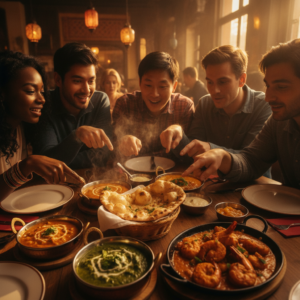
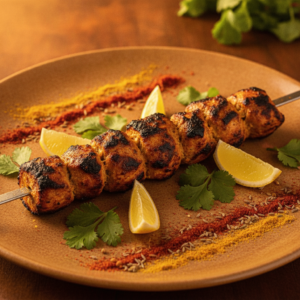
And it is not just soup. If you have been searching for a great kebab near me in Mississauga, or you are someone who types food near me and hopes something genuinely special comes up — we would love for you to walk through our doors and let the food speak for itself. Our full menu spans Indian classics, Hakka favourites, and fresh seafood dishes, all prepared with the same care and consistency that has kept guests coming back for seven years.
We also offer full-service catering and event packages for families celebrating milestones, couples planning weddings, and professionals hosting corporate gatherings across Mississauga and the wider GTA. The same kitchen that makes your hot and sour soup on a Tuesday night is the one that shows up for your most important occasions — with the same standards and the same heart.
Ready to Try the Real Thing?
Come in and taste what a hot and sour soup looks like when it is made with seven years of experience, fresh local ingredients, and genuine Hakka tradition. We are in Mississauga, and we would love to welcome you — whether it is your first visit or your fiftieth.
✍️ Written by the Team at 7 Spice Bistro — We are a Mississauga-based Indian and Hakka restaurant with seven years of experience serving families, couples, and food lovers across the Greater Toronto Area. Everything we write comes from the kitchen, the table, and seven years of honest cooking.
Frequently Asked Questions
What makes hot and sour soup different in Hakka cuisine compared to other styles?
Hakka-style hot and sour soup reflects the Indo-Chinese culinary tradition — it tends to be bolder, more aromatic, and spiced differently than the milder Cantonese versions many people are familiar with. The Hakka version typically uses green chillies alongside white pepper for a more complex heat profile, and the broth is often richer and more deeply seasoned. At 7 Spice Bistro in Mississauga, our version honours that tradition while using locally sourced fresh ingredients for every bowl.
How can I tell if a hot and sour soup is made from scratch or from a packet?
The clearest sign is in the depth and complexity of the broth. A packet-based soup tastes flat, one-dimensional, and often overly salty right from the first sip, without any real layering of flavour. A scratch-made broth reveals itself gradually — you taste different notes as the warmth builds, and the acidity and heat feel balanced rather than jarring. The colour of a good scratch broth is also typically richer and more translucent rather than murky or dull. These are the markers our guests are trained to notice after visiting us a few times.
Why does hot and sour soup sometimes taste too thick or gluey at restaurants?
This is almost always a cornstarch issue. When too much cornstarch slurry is added to cut costs or to create the visual impression of a substantial bowl, the result is a soup that coats the palate in an uncomfortable way and loses all the nuance of the broth beneath. The correct level of thickening should create a silky, lightly flowing consistency — not a gel. Kitchens that care about the dish measure carefully and adjust based on the specific batch, not a fixed formula that never changes regardless of variables.
Can I order hot and sour soup as part of a larger Hakka or Indian meal at 7 Spice Bistro?
Absolutely — and we would actually encourage it. Hot and sour soup is one of the best ways to start a full Hakka or Indian meal because the heat and acidity prepare your palate for the bold, layered flavours of the dishes that follow. At 7 Spice Bistro, our menu is designed so that the soup, the mains, and the sides all complement each other. Whether you are dining in as a family, coming in for a couple’s dinner, or joining us for a group celebration, our team is happy to help you put together a meal that makes sense as a whole experience.