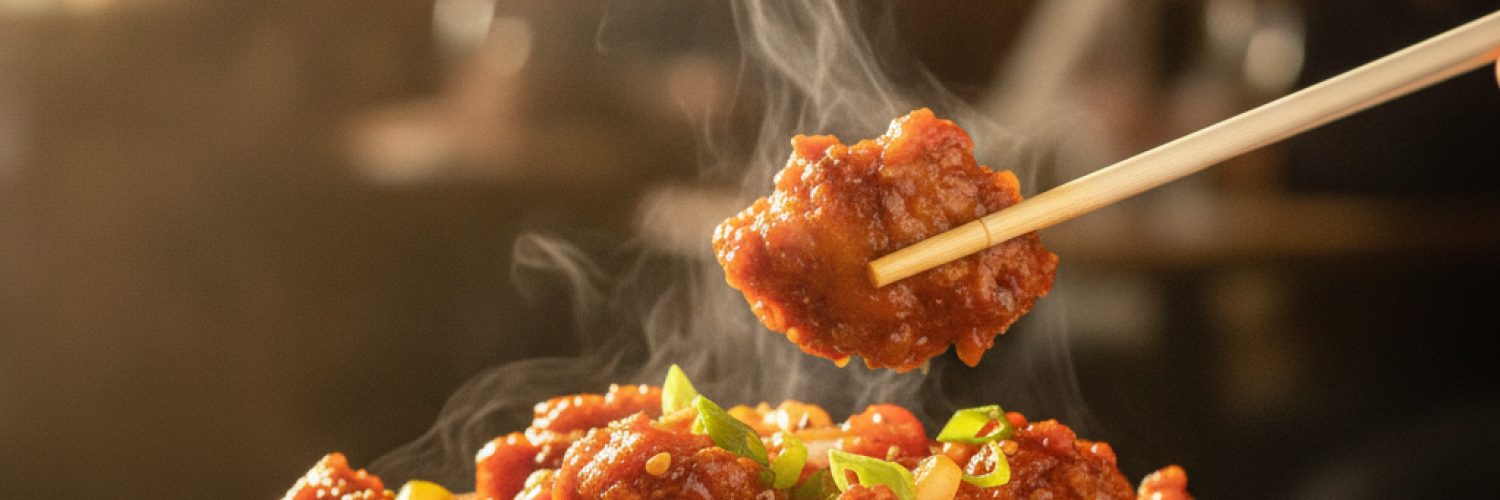
If you’ve been searching for outstanding hakka cuisine Mississauga has to offer, you already know the challenge: the options look similar on the surface, but the quality gap between a mediocre plate and a genuinely great one is enormous. In 2026, more diners are doing their homework before they commit to a table — and rightly so. Whether you’re a longtime fan of Indo-Chinese cooking or you’re trying Hakka food for the very first time, knowing what to look for saves you from a disappointing meal and points you toward the real thing. At 7 Spice Bistro, we’ve spent seven years perfecting this cuisine in the heart of Mississauga, Ontario, and we want to help you eat well — whether you dine with us or not. Here are six practical things that tell you the Hakka food you’re about to order is genuinely worth it.
QUICK ANSWER
A great Hakka restaurant in Mississauga shows its quality through wok technique (visible char and smoke), depth of sauce rather than just heat, freshness of protein, balance between Indian spice and Chinese umami, hand-cut vegetables, and consistent execution across the menu. Look for all six before you order — or trust a restaurant with a proven seven-year track record like 7 Spice Bistro.
1. What Does Genuine Wok Technique Actually Look Like?
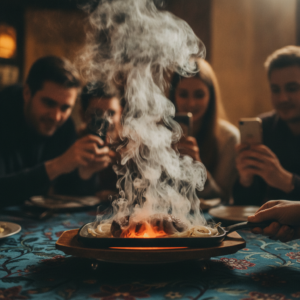
Genuine wok technique means the cook is using very high heat, fast movement, and precise timing — producing a light char on the ingredients without burning them or making them soggy. That char is called wok hei, a Cantonese term for the “breath of the wok,” and it is one of the clearest signs that a kitchen is doing things properly.
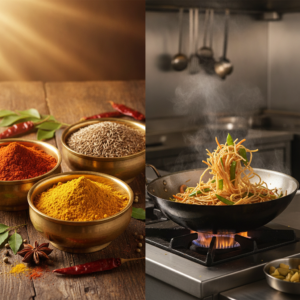
When you visit a Hakka restaurant, the first thing to do is pay attention to your senses before the food even arrives. A kitchen working a proper wok produces a subtle, smoky fragrance that drifts into the dining room. If the restaurant smells like a deep fryer and nothing else, the kitchen is likely taking shortcuts. True wok cooking means proteins, noodles, and vegetables are tossed in a superheated carbon steel pan over a commercial burner — not simmered, not baked, not reheated from a steam table.
At 7 Spice Bistro in Mississauga, Ontario, our kitchen works every Hakka dish to order using high-heat wok cooking. This is non-negotiable for us. The slight caramelization on the edge of a chilli chicken piece, the tender bite of noodles with just enough resistance — these don’t happen any other way. If a dish arrives looking uniformly pale and wet, without any visible colour development, the wok wasn’t used correctly.
2. Why Sauce Depth Matters More Than Heat Level
A great Hakka sauce has multiple flavour layers — sour, salty, umami, and heat — working together rather than any single element dominating. Heat alone is not a sign of quality; it is often a sign that the kitchen is compensating for a sauce that lacks depth.
Hakka cuisine sits at the crossroads of Indian spice traditions and Chinese cooking techniques, and that fusion demands a sophisticated sauce philosophy. The base of a good Hakka sauce typically involves fermented elements — soy sauce, vinegar, sometimes a touch of oyster or black bean — combined with aromatics like garlic, ginger, and green chilli. When these elements are properly reduced and balanced, the result is a sauce you can taste in layers as it coats your palate.
A quick test: order a “manchurian” dish and taste the gravy on its own before eating it with rice or noodles. A well-made manchurian gravy should be complex enough to enjoy as a sauce by itself. If it tastes like seasoned cornstarch water with chilli flakes, the kitchen hasn’t invested in its base. Among hakka restaurants in Mississauga, this is one of the most reliable differentiators between a restaurant that understands the cuisine and one that is simply filling a menu gap.
“The measure of a great Hakka sauce isn’t how much it burns — it’s how much you miss it when the plate is empty.”
3. How Fresh Protein Signals Kitchen Standards Across the Board
Fresh, properly handled protein tells you almost everything about a restaurant’s overall kitchen standards. If the chicken is rubbery, the seafood smells off, or the paneer tastes chalky, the problem is almost never the cook’s technique — it starts at sourcing.
One of the clearest markers of a quality Hakka kitchen is the texture and flavour of its proteins before the sauce is even considered. Chicken should be tender and moist inside while holding a light crust on the outside when fried. Shrimp and fish in a seafood Hakka dish should be plump, sweet, and free of any ammonia note. Paneer, where applicable, should be soft enough to yield to a fork without squeaking or crumbling.
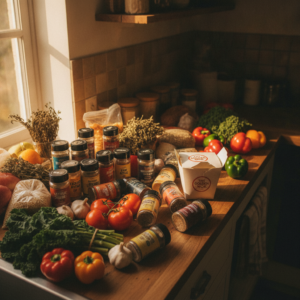
At 7 Spice Bistro, our commitment to fresh, locally sourced ingredients isn’t just a talking point — it’s the foundation of everything we cook. We’ve built relationships with local suppliers in the Mississauga and Greater Toronto Area food network so that what arrives in our kitchen each morning is what ends up on your plate that evening. When you’re evaluating any restaurant that calls itself the best hakka restaurant Mississauga has available, ask whether they can tell you where their protein comes from. The confident restaurants can answer that question without hesitation.
This principle extends to our seafood dishes as well — a category we take seriously at 7 Spice Bistro. For more on how we approach fish and shellfish in an Indian and Hakka context, read our post on Seafood at an Indian Restaurant? Here’s Why It Works So Well.
4. Is the Balance Between Indian Spice and Chinese Umami Actually There?
The most important hallmark of genuine Hakka cuisine is a true, deliberate balance between Indian spice and Chinese umami — not one overpowering the other, but both clearly present in every bite. When this balance is off, the dish either tastes like ordinary Chinese takeout with extra chilli or like an Indian curry that has wandered into unfamiliar territory.
Hakka cuisine as it evolved in the Indian subcontinent — particularly in communities like those in Kolkata and later across diaspora cities — achieved something genuinely unique: it took the wok, the fermented sauces, and the noodle traditions of Hakka Chinese cooking and fused them with the bold aromatics, the green chillies, and the bright acidic notes that define Indian home cooking. The result is a cuisine that belongs fully to neither tradition and is richer for it.
When evaluating hakka food near me options, taste your dish with this question in mind: can I identify both culinary traditions at work here? A well-made chilli garlic noodle dish should have soy-driven depth, wok smokiness, and unmistakable Indian green chilli heat — simultaneously. If only one flavour profile comes through, the kitchen hasn’t mastered the blend. Our team at 7 Spice Bistro has spent years calibrating this balance, adjusting it dish by dish using age-old recipes as a guide while adapting to the preferences of our Mississauga, Ontario community.
5. What Hand-Cut Vegetables Tell You About Attention to Detail
Hand-cut vegetables signal that a kitchen is working with fresh produce and cares about texture — and in Hakka cooking, vegetable texture is not a minor detail. It is a structural part of the dish.
In high-heat wok cooking, the cut of a vegetable determines how it cooks. Thick-cut bell peppers hold a slight crunch and provide sweetness. Thinly julienned cabbage wilts at exactly the right speed to integrate into a noodle dish without becoming mush. Spring onions cut on the bias soften differently than those cut straight across. None of this matters if the vegetables are pre-cut, frozen, or uniform in a way that suggests they came from a commercial prep facility rather than a kitchen that handles its own mise en place.
Look at the vegetables on your plate. Are they consistent in size but natural-looking, with the slight imperfections of hand work? Or are they perfectly identical in a way that only a commercial slicer or frozen supplier could produce? The former is a sign of a kitchen that takes prep seriously. Among the hakka restaurant near me choices available to GTA diners, this detail separates the places worth returning to from the ones you try once and forget.
At 7 Spice Bistro, our kitchen preps vegetables fresh daily. This is one of the reasons our Hakka dishes have a brightness and texture that reheated or pre-packaged vegetable cuts simply cannot replicate. It’s a small commitment that makes a large difference in the final plate.
6. How Consistent Execution Across the Menu Reveals True Expertise
A restaurant that executes one or two dishes brilliantly while the rest of the menu underdelivers is not a great restaurant — it’s a specialty stall. True expertise shows up in consistent quality across every item you order, from the appetizers to the mains.
This is perhaps the most telling test of all six, and it requires either a return visit or ordering strategically during a first visit. A kitchen that genuinely understands hakka cuisine Mississauga diners deserve will produce a chilli paneer that is as carefully executed as its chilli chicken. Its fried rice will be as flavourful as its noodles. The appetizers will not taste like an afterthought while the mains get all the care.
Consistency is built through kitchen discipline — standardized prep, trained staff, and a head cook who tastes every dish before it leaves the pass. At 7 Spice Bistro, our seven years of serving Mississauga, Ontario have been built on this principle. Our regular guests know that the dish they loved six months ago will taste the same when they return — because the recipes, the ingredients, and the standards don’t shift based on who’s covering a shift or how busy the dining room is.
If you want to explore the full range of what we offer before visiting, our Indian Restaurant Open Now: A Practical, No-Nonsense Guide covers everything you need to know about planning your visit and what to expect from a restaurant that treats consistency as a core value.
Where to Find All Six Qualities in One Place
Running through this checklist on your own takes time — and sometimes a few disappointing meals. If you’re looking for a shortcut, the answer is choosing a restaurant that has already proven itself across all six criteria over years of consistent service.
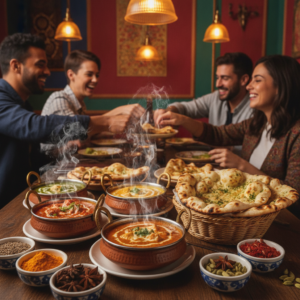
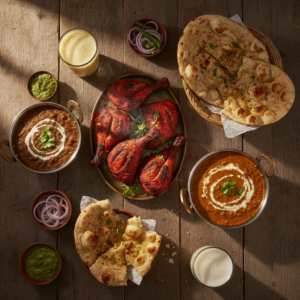
7 Spice Bistro in Mississauga is that place for countless families, couples, and professionals across the Greater Toronto Area. We serve both Indian and Hakka cuisines under one roof, using fresh locally sourced ingredients, proper wok technique, and age-old recipes that our team has refined and respected for seven years. Whether you’re dining in for a casual weeknight meal, celebrating a milestone occasion, or planning an event through our full-service catering, the standard doesn’t change.
We’re also planning events and feeding families well beyond the dinner table — if you have a celebration, a corporate lunch, or a wedding in your future, our catering team can help you bring the same quality to your guests. For guidance on what to look for in an event caterer, our detailed resource on Catering Services in Mississauga: How to Choose the Right Caterer for Your Event walks you through the process step by step.
The next time you search for hakka restaurants in Mississauga or type “hakka food near me” into your phone, you now have a real framework for evaluating what you find. Use it — and when the checklist leads you to 7 Spice Bistro, we’ll be ready.
Ready to Taste the Difference for Yourself?
Come dine with us at 7 Spice Bistro — Mississauga’s home for authentic Indian and Hakka cuisines. Whether it’s a table for two or a catering inquiry for a hundred guests, our team is here to make it exceptional.
✍️ Written by the 7 Spice Bistro Team
We are the culinary team behind 7 Spice Bistro in Mississauga, Ontario — seven years in and still cooking with the same passion we started with. Our goal with every post is to help you eat better, choose smarter, and enjoy every meal.
Frequently Asked Questions
How is Hakka cuisine different from regular Chinese food?
Hakka cuisine as served in Canada is an Indo-Chinese style of cooking that blends Chinese wok techniques and fermented sauces with Indian aromatics like green chilli, garlic, and ginger. It is significantly spicier and more pungent than typical Cantonese or Mandarin Chinese food, and it uses flavour combinations — such as soy sauce with cumin or chilli vinegar with Indian spices — that you won’t find in a standard Chinese restaurant. It developed among the Hakka Chinese community that settled in India, making it a genuinely distinct cuisine with its own identity.
What dishes should I order when trying Hakka food for the first time?
For a first visit, we recommend starting with chilli chicken (dry), a bowl of Hakka noodles, and a manchurian dish — either vegetable or protein-based. These three cover the core techniques and flavour profiles of the cuisine: the dry chilli dish shows wok technique and spice balance, the noodles demonstrate how well the kitchen handles carbohydrates and sauce integration, and the manchurian reveals the depth and quality of the sauce. Together, they give you a full picture of the kitchen’s capability within about three dishes.
Why does the same Hakka dish taste so different from restaurant to restaurant?
The variation comes down to three factors: ingredient quality, wok technique, and sauce recipes. Two restaurants can serve “chilli chicken” using the same basic list of ingredients and produce completely different results depending on whether the chicken is fresh or frozen, whether the cook is using a proper high-heat wok or a regular stove-top pan, and whether the sauce is made from scratch or assembled from commercial sauces. These are not minor differences — they produce noticeably different dishes, which is why evaluating a restaurant using the six-point checklist in this article is so useful before committing to a regular spot.
Can I order Hakka food for a catered event or large group gathering?
Yes — at 7 Spice Bistro, we offer full-service catering that includes Hakka and Indian dishes for events of all sizes, from intimate family gatherings to large wedding receptions. Our catering packages are personalized to your event, your guest count, and your menu preferences. Hakka dishes like chilli chicken, fried rice, and noodles are perennial favourites at events because they travel well, serve efficiently, and appeal to a wide range of palates. Reach out through our website to discuss your event details and we’ll put together a package that fits your needs.